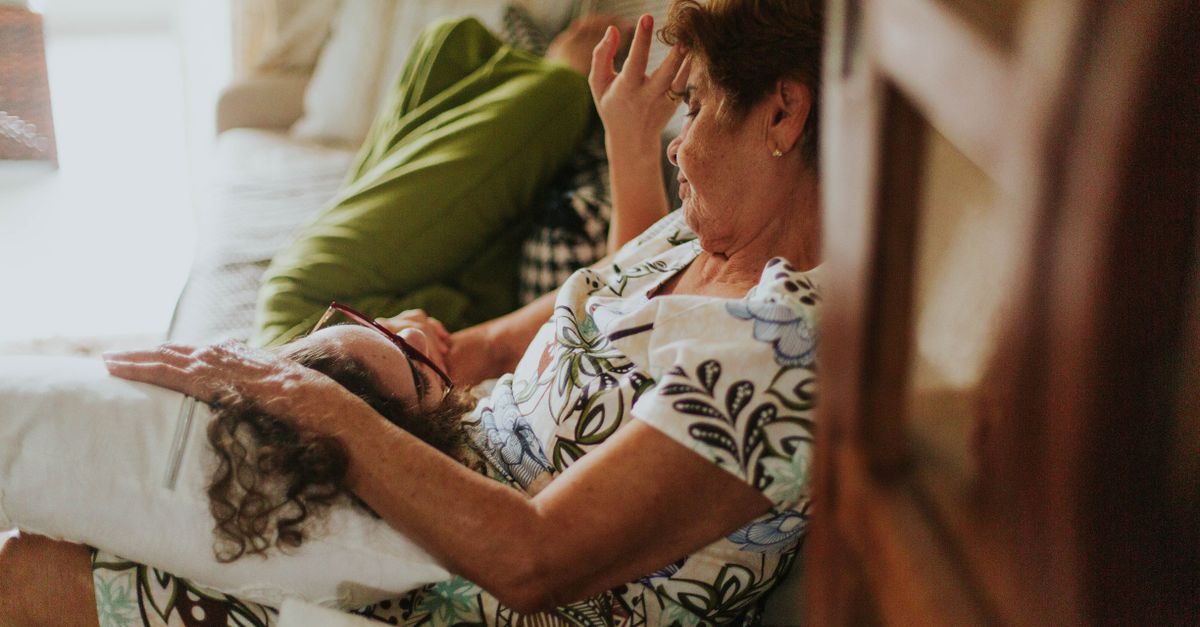
Your mother flies in from Seoul, moves into the spare room, and starts watching your kids every weekday so you and your spouse can both keep working. It feels like a family favor, not a business arrangement — which is exactly why most people never think to run it through a Dependent Care FSA.
That assumption costs families real money. A grandmother’s childcare can qualify for reimbursement, but only if a handful of IRS rules line up correctly, and the paperwork trail has to exist before you ever try to claim it.
How a Dependent Care FSA Can Cover a Family Caregiver
A Dependent Care FSA lets you set aside pre-tax dollars, generally up to $5,000 a year for a married couple filing jointly, to pay for care that allows both spouses to work. Most families assume this only covers a licensed daycare center or a nanny hired through an agency.

That assumption is wrong. The IRS doesn’t require the caregiver to run a formal business. It requires the arrangement to meet specific relationship, age, and documentation rules described in IRS Publication 503.
A grandmother watching your children while you’re at the office can absolutely qualify. So can an aunt, an adult cousin, or a family friend. What disqualifies someone has nothing to do with whether money changes hands informally.
Plenty of dual-income Korean immigrant households already run this exact setup without realizing it’s reimbursable. The FSA doesn’t ask for a business license, an invoice on letterhead, or a bonded childcare agency. It asks whether the relationship and paperwork rules were followed, and whether the care allowed you to work.
Takeaway: A Dependent Care FSA can reimburse family childcare, not just a licensed provider.
Which Relatives Qualify as a Dependent Care FSA Provider
The IRS disqualifies a short, specific list of people from being paid through a Dependent Care FSA:
- Your spouse
- The child’s other parent, even if you’re not married to them
- Anyone you claim as a dependent on your own tax return
- Your own child, if that child is under 19 at the end of the year, even if you don’t claim them as a dependent
A grandmother clears all four bars in most families. She isn’t the child’s parent, and she isn’t usually claimed as your tax dependent. But if you also support your mother financially and claim her as a dependent under the separate rules for supporting a parent, that claim can knock her out of eligibility as a paid caregiver in the same tax year.
This trade-off surprises a lot of families. Claiming a parent as a dependent saves money on one part of the return, while quietly disqualifying her as a paid Dependent Care FSA provider on another part of it. Run both numbers before deciding which path actually saves more.
Takeaway: Grandmothers generally qualify as Dependent Care FSA providers, unless you’re also claiming her as your own dependent.
The SSN or ITIN Your Grandmother Needs for a Dependent Care FSA Claim
Every Dependent Care FSA reimbursement gets reconciled on Form 2441 at tax time, and that form requires the caregiver’s Social Security number, ITIN, or EIN. No number, no valid claim.
If your mother is a US citizen or green card holder, this is simple — she already has an SSN. Complications show up when a Korean grandmother is here on a visitor visa, watching grandchildren for months at a time without any US work authorization.
An ITIN exists for tax filing, not work authorization, so getting one doesn’t resolve the underlying immigration question. It only addresses the reporting side. Families in this situation should talk to a tax professional before assuming the claim will hold up.
Apply for the ITIN early. Processing can take several weeks, and a Dependent Care FSA claim without a valid provider number sitting on file at tax time tends to get flagged or delayed rather than quietly approved.
Takeaway: Without an SSN or ITIN for your grandmother, a Dependent Care FSA claim generally can’t be substantiated.
The “Keeping Up a Home” Test and Taxable Income for Your Caregiver
Two separate tests apply here, and people often confuse them. First, you and your spouse must have paid more than half the cost of maintaining the home where you and the child lived for more than half the year. This test is about your household spending, not your grandmother’s.
Second, whatever you pay her counts as taxable income on her end. She’s providing a service for compensation, even within a family. Some FICA exceptions apply when a parent cares for a grandchild, but income tax reporting generally still applies regardless.
Encourage her to keep her own simple records of what she received and when. A short monthly log, even handwritten, does more to protect both of you than any conversation you might have months later trying to reconstruct the year from memory.
Takeaway: You must clear the household-cost test yourself, and your grandmother still has to report the income she’s paid.
Common Mistakes That Sink a Family Caregiver’s FSA Claim
Most failed claims trace back to a small set of avoidable habits:
- Paying in cash with no receipt, log, or written record of dates and amounts
- Never collecting an SSN or ITIN until tax season is already underway
- Assuming any relative watching the kids automatically qualifies, without checking the parent and dependent exclusions
- Skipping Form 2441 entirely because the FSA already reimbursed the expense automatically
An audit doesn’t care that the arrangement was informal. It cares whether you can prove the amount, the dates, and who received the money. A simple weekly note, a bank transfer instead of cash, or a signed year-end summary can be the difference between a claim that holds up and one that doesn’t.
Takeaway: Cash paid without documentation is the single fastest way to lose a Dependent Care FSA claim under audit.
FAQ
Does a Dependent Care FSA Cover a Grandmother Who Isn’t Paid Through an Agency?
Yes. Informal family arrangements qualify as long as the relationship rules are met and you can document what was paid and when. The IRS looks at the substance of the arrangement, not whether it looks like a formal business.
What if my mother doesn’t have a Social Security number?
She’ll need at least an ITIN listed as the care provider on Form 2441. Without one, most tax preparers won’t file the claim, since it can’t be substantiated, and reimbursements already paid out through the FSA could get reversed later.
Can I use a Dependent Care FSA if the grandmother lives with us?
Yes. Living in your home doesn’t disqualify her, as long as she isn’t the child’s parent and isn’t claimed as your dependent. The exclusion list is about relationship and dependent status, not about her address.
Does my grandmother have to pay taxes on what I pay her?
Generally yes. She should report it as income, and if she isn’t a US tax resident, her filing situation gets more complex — worth a conversation with a professional, and worth reviewing alongside broader coverage questions like our guide to COBRA vs Marketplace insurance if she’s also weighing her own health coverage while staying long-term.
Quick Summary
- A Dependent Care FSA can reimburse a grandmother’s childcare, not just licensed daycare
- She can’t be the child’s parent, your spouse, or someone you claim as your dependent
- An SSN or ITIN for her is required before the claim can be substantiated
- Cash paid with no documentation is the most common reason claims fail under audit
This post is for informational purposes only and does not constitute financial, tax, or legal advice. Laws and regulations change frequently. Please consult a qualified professional for your specific situation.