
May 25, 2025. That’s the date FHA quietly closed the door on H-1B, E-2, and L-1 visa holders. Before that date, FHA non-permanent resident borrowers had a real path to a federally backed loan. A visa holder with the right paperwork could qualify. After that date, the whole path disappeared. More than a year later, plenty of loan officers still haven’t caught up.
This post covers the FHA non-permanent resident change in plain terms. We’ll look at what the old rule allowed, exactly what changed, why HUD made the call, and what still works if you’re buying on H-1B or E-2 status right now.
FHA’s Rule on Non-Permanent Residents Just Changed
HUD published Mortgagee Letter 2025-09 on March 26, 2025. The letter revised residency requirements for FHA-insured loans. Lenders had to apply it to any FHA case number assigned on or after May 25, 2025.
The change was blunt. HUD removed the entire “Non-Permanent Residents” section from the FHA Single Family Housing Policy Handbook, known as Handbook 4000.1. That section used to spell out exactly which visa holders could document their way into an FHA loan. Now the section is gone. So is the eligibility it described.
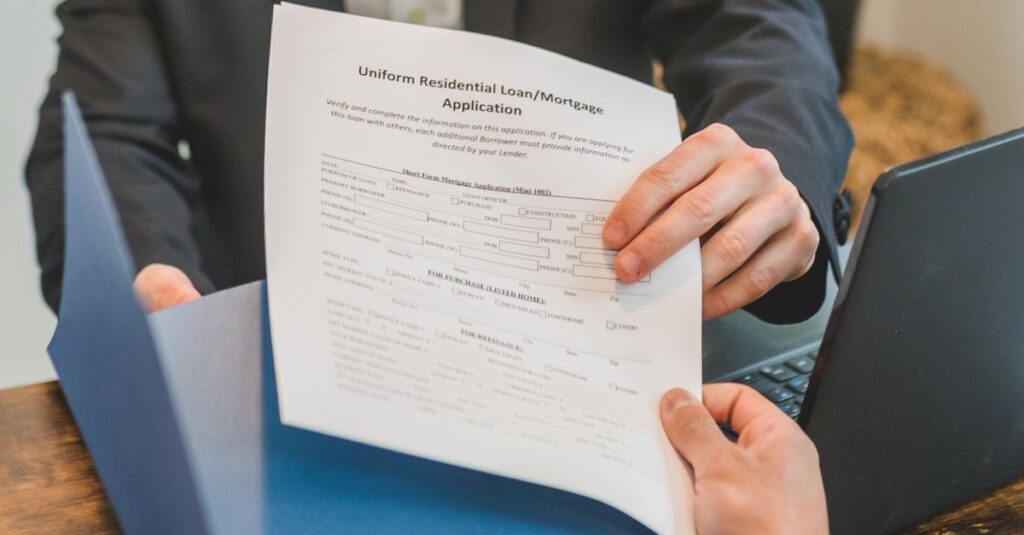
Only two groups of non-citizens remain eligible for an FHA-insured mortgage today. The first is lawful permanent residents, meaning green card holders. The second is citizens of the Federated States of Micronesia, the Marshall Islands, or Palau. Everyone else on a temporary visa no longer qualifies. That includes H-1B, E-2, L-1, and O-1 holders. The rule covers both standard FHA forward mortgages and FHA reverse mortgages.
The Visa List That Used to Work
Before May 2025, FHA lenders generally treated a specific group of work and treaty visas as workable. A borrower needed a valid Social Security number. They also needed to document lawful status and work authorization. That combination commonly cleared H-1B temporary workers, E-1 and E-2 treaty traders and investors, L-1 intracompany transferees, O-1 holders with extraordinary ability, and G-series employees of international organizations.
None of this ever came from one fixed government list. It came from lenders applying HUD’s residency-documentation framework case by case. They matched it against visa categories that USCIS treats as carrying real work authorization.
F-1 students on OPT and TN visa holders got more scrutiny, even under the old rule. An OPT authorization typically runs 12 months. A STEM extension can stretch that to 36 months. Compare that to an H-1B’s initial three-year term, renewable to six years or more with an employer petition. A shorter, less certain runway made underwriters nervous long before HUD eliminated the FHA non-permanent resident category outright.
Why HUD Removed Non-Permanent Residents From FHA Loans
HUD’s own explanation is buried in the mortgagee letter, but it comes down to one idea. Continued legal residency for a visa holder isn’t guaranteed. A 30-year mortgage assumes decades of stable income and stable status. HUD wrote that non-permanent residents are subject to “immigration laws that can affect their ability to remain legally in the country.” It framed that uncertainty as a bad fit for a program built around long-term loans.
That’s the same underwriting logic that has always shaped mortgage lending for visa holders. A lender has to judge whether someone is likely to keep working and keep their status for years into the future. FHA used to let borrowers document their way past that judgment call. Now it skips the judgment entirely. It excludes the whole category by default, no paperwork exception offered.
The Visa Expiration vs. Loan Term Problem Nobody Fixed
Here’s the mismatch that never went away, no matter which agency insures the loan. Say an H-1B holder has two years left on their current visa. They apply for a 30-year mortgage. The loan assumes 30 years of payments. The visa doesn’t come close to covering that span on its own.
Old FHA guidance handled this gap with paperwork. Lenders wanted an I-797 approval notice. They wanted an employer letter confirming sponsorship. Sometimes they wanted a full visa renewal history. Conventional loans through Fannie Mae and Freddie Mac handle the gap the same way today. The underlying question never changed, even though FHA stopped asking it.
A lender still has to decide whether continued employment and continued legal status look reasonably likely. That’s a judgment call, not a fixed rule, and it varies by lender. Two years left on a visa doesn’t disqualify a borrower from a conventional loan. It just means the file needs stronger documentation than a citizen’s application would.
What Actually Works Now for H-1B and E-2 Buyers
Conventional loans are the main path left for non-permanent residents. Fannie Mae and Freddie Mac guidelines explicitly permit lending to non-citizen borrowers. The requirements are a valid visa, a Social Security number, and verifiable US income and credit history. That guidance never changed when FHA’s did. Our guide to H-1B mortgage approval covers how to find a lender who actually knows these rules, since plenty still don’t.
Portfolio lenders and non-QM programs offer another option. They tend to suit borrowers with a shorter US work history or income that doesn’t fit standard documentation. Down payment requirements on these programs run higher, sometimes 15 to 25 percent. Rates run a bit above conventional pricing too.
F-1 and OPT borrowers without a Social Security number have a separate track: ITIN-based mortgage programs. FHA was never really the right fit for that group anyway, SSN requirement or not.
Credit unions and community banks with a large Korean immigrant customer base are worth calling first. Some have handled dozens of H-1B and E-2 files over the years and already know the documentation dance. A larger national bank might see one such application a quarter, and it shows in how the file gets handled. Ask how many visa-holder mortgages a branch closed last year before filling out a single form. A specific number is reassuring. A shrug is not.
How to Avoid Wasting Weeks Chasing a Dead Application
The most common mistake right now is applying for an FHA loan on H-1B or E-2 status. Usually the borrower heard it was possible from an old blog post, a real estate agent, or a loan officer who hasn’t updated their playbook. It isn’t possible anymore, not for any case number opened after May 25, 2025.
Ask a prospective lender directly: “Do you know FHA eliminated non-permanent resident eligibility in 2025?” A confident yes is a good sign. Hesitation means you’re about to lose two or three weeks to an application that was never going anywhere. Have your I-797, employer letter, two years of income documentation, and a valid Social Security number ready before you start. A conventional lender will ask for all of it anyway.
What Readers Ask
Are non-permanent resident visa holders completely excluded from FHA loans now?
For new FHA case numbers, yes. The only non-citizens who still qualify are lawful permanent residents and citizens of Micronesia, the Marshall Islands, or Palau. Every visa category that used to work is now excluded, including H-1B, E-2, L-1, and O-1.
Does this affect an FHA loan I applied for before May 25, 2025?
No. The rule only applies to case numbers assigned on or after that date. A loan already in process under an earlier case number follows the older guidance.
Can a green card applicant still qualify while their application is pending?
Pending status isn’t the same as holding a green card. Someone in the adjustment-of-status process, without an approved I-485, still counts as a non-permanent resident under the new rule. They aren’t eligible for FHA financing until the green card is actually issued.
Do USDA or VA loans cover non-permanent residents the way FHA once did?
Not really. USDA requires “Qualified Alien” status under federal welfare law, which lines up closely with green card status and excludes most visa holders. VA loans are tied to military service, not immigration status, so they don’t apply to most H-1B or E-2 buyers either. Conventional financing remains the realistic option.
Quick Summary
- FHA eliminated eligibility for every non-permanent resident visa category, effective for case numbers assigned on or after May 25, 2025
- Only US citizens, green card holders, and citizens of Micronesia, the Marshall Islands, and Palau still qualify for FHA-insured loans
- Conventional loans through Fannie Mae and Freddie Mac remain open to H-1B, E-2, and other visa holders under the same documentation standards as before
- The visa-expiration-vs-loan-term underwriting question hasn’t disappeared — it just moved from FHA’s rulebook to each lender’s own judgment call
I’m not a mortgage broker or an attorney — this is one person’s research, written to save you time. For anything that touches your actual loan application, talk to someone licensed.