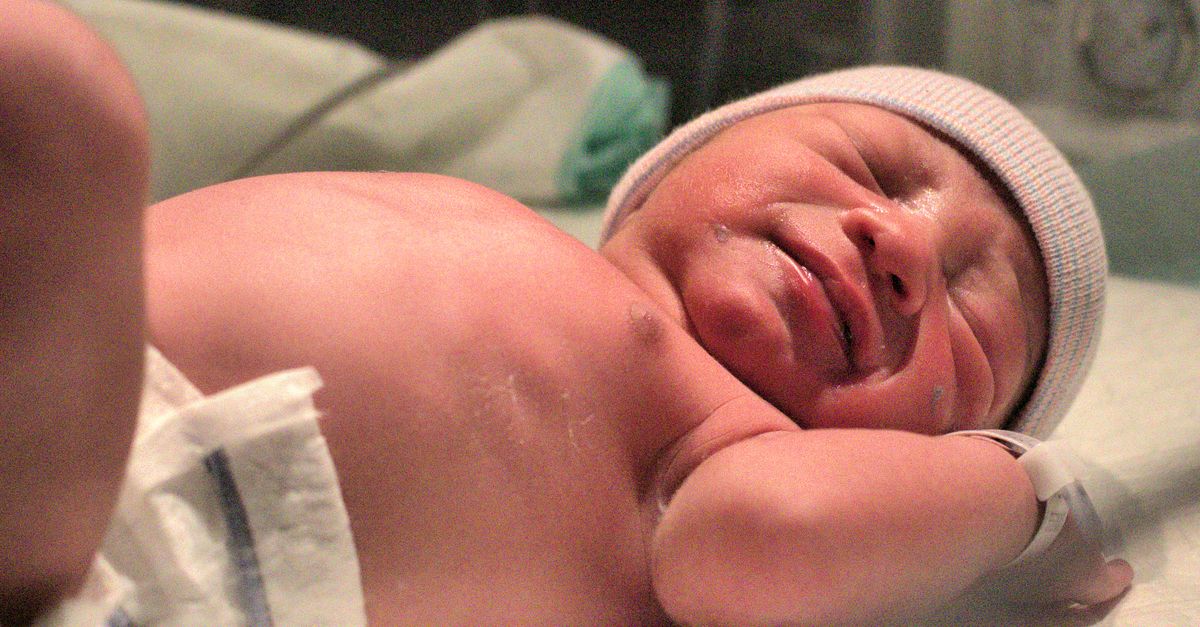
A Korean couple expecting their first child in the US often assumes decent employer insurance means the delivery itself is essentially covered. Then a bill arrives weeks later showing $4,000 or $5,000 still owed, even after insurance already paid its share. Hospital bills after childbirth rarely match what a family expects. That’s especially true when you come from a country where maternity care costs far less. Many countries also bundle maternity care into national health coverage.
This gap isn’t usually a sign that something went wrong with the insurance. It’s how US maternity billing actually works. It splits across a hospital charge, a delivering doctor’s charge, an anesthesiologist’s charge, and sometimes a pediatrician’s charge for the newborn. Each gets billed separately against your plan’s deductible and coinsurance.
Why Hospital Bills After Childbirth Arrive in Pieces
A single delivery typically generates multiple separate bills rather than one combined charge. The hospital bills for the room, nursing care, and facility use. The obstetrician or midwife bills separately for the delivery itself. An anesthesiologist bills separately if an epidural was used. The baby’s own newborn care sometimes generates a fourth bill under the child’s name.
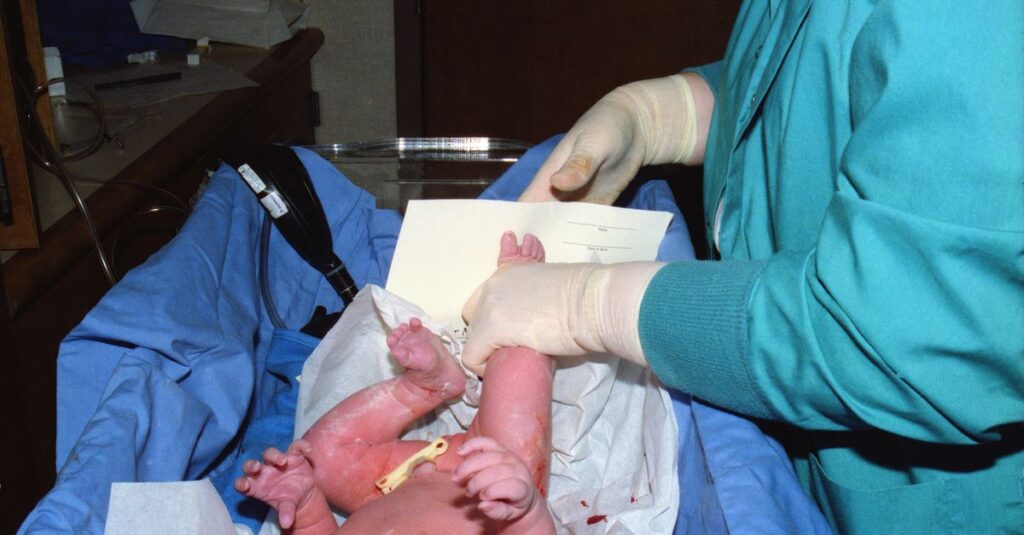
Each of these charges gets applied against your deductible and coinsurance independently in some cases. This is exactly why a family with a $3,000 deductible can end up owing meaningfully more than that single number. Several separate claims all draw against the same overall out-of-pocket maximum.
How In-Network Choices Change Your Hospital Bills After Childbirth
Confirm that every single provider involved in the delivery, not just the hospital itself, is in-network before the birth if at all possible. An in-network hospital doesn’t guarantee the anesthesiologist or a covering physician who happens to be on shift is also in-network. An out-of-network provider at an in-network facility can bill at a much higher rate.
Ask your OB-GYN’s office directly which hospital they deliver at and whether that hospital’s typical anesthesia and pediatric coverage groups are in-network with your specific plan. This single question, asked months before the due date, prevents one of the most common sources of an unexpectedly large bill.
Reviewing the Bill Line by Line Before Paying
Request an itemized bill from the hospital rather than paying whatever summary total arrives first. Itemized bills routinely reveal duplicate charges, incorrect codes, or services billed that weren’t actually provided. Hospital billing errors are common enough that a careful review often finds a real reduction.
Compare the itemized bill against your insurance company’s Explanation of Benefits for the same claim. Check that the amounts match and that your plan applied the correct deductible and coinsurance figures. A mismatch between what the hospital billed and what your insurer processed is worth a phone call to both parties before paying anything.
Negotiating the Balance Before You Pay in Full
Hospitals frequently have financial assistance programs, sometimes called charity care, that reduce a balance for a family below a certain income threshold. Many hospitals don’t advertise this option prominently, even though it’s required by law at nonprofit facilities. Ask the hospital’s billing department directly whether you qualify.
Even without formal financial assistance, many hospitals will negotiate a lower cash-pay settlement or set up a no-interest payment plan if you call and ask before the balance goes to collections. Hospitals generally prefer a partial payment arranged directly over sending a bill to a collections agency. There’s real room to negotiate if you simply start the conversation.
Using an FSA or HSA to Cover the Remaining Balance
If you have a Flexible Spending Account or Health Savings Account, the remaining balance after insurance typically qualifies as an eligible medical expense. This lets you pay with pre-tax dollars rather than after-tax income. Time a large FSA contribution during open enrollment the year before an expected birth if you can plan that far ahead.
An HSA balance built up over previous years works the same way and doesn’t expire. A family that’s been contributing steadily before pregnancy often has a meaningful cushion already sitting in the account specifically for a moment like this one.
What Happens if You Can’t Pay the Full Balance Right Away
A payment plan directly with the hospital’s billing department is almost always available and usually carries no interest, unlike putting the balance on a credit card. Ask specifically for this option before assuming a single lump-sum payment is the only path forward.
Avoid ignoring the bill or letting it go to collections by default. A collections account can affect your credit report even after the balance is eventually paid off. A quick call to set up any kind of payment arrangement, even a modest monthly amount, keeps the account in good standing while you work through it.
Preparing Financially for Hospital Bills After Childbirth Before the Due Date
Ask your insurance company directly, before delivery, for a written estimate of expected out-of-pocket costs based on your specific plan and the hospital where you’ll deliver. Many insurers can provide a reasonably accurate range once they know the facility and expected type of delivery.
Set aside savings specifically earmarked for this expense during pregnancy rather than discovering the gap only after the bills start arriving. A family that budgets $3,000 to $5,000 ahead of time faces a very different experience than one blindsided by the same bill with no cushion prepared.
Comparing a High-Deductible Plan Against a PPO for This Specific Bill
A high-deductible health plan usually carries a lower monthly premium. It also means you’re responsible for a much larger share of the delivery cost before insurance starts covering much at all. A PPO with a lower deductible spreads that same cost differently across the year through a higher premium.
If you’re choosing between plans during open enrollment and you know a birth is likely in the coming year, run the actual math for both options. Don’t default to whichever plan simply costs less month to month. The plan with a higher premium can still work out cheaper overall once you add in the full delivery bill.
FAQ
Does a scheduled C-section cost more out of pocket than a vaginal delivery? Often yes. A C-section typically involves more providers and a longer hospital stay. The exact difference depends heavily on your specific plan’s deductible and coinsurance structure though.
Can I ask for an estimate before choosing a hospital? Yes, and you should. Both your insurer and the hospital’s billing department can often provide a reasonable estimate in advance. This helps you compare options if more than one in-network hospital is available to you.
More on Managing Hospital Bills After Childbirth
Does the newborn need to be added to insurance before the birth happens? Most plans allow a specific window, often 30 days, after birth to add the newborn. Confirm your specific plan’s exact deadline and process well before the due date to avoid a coverage gap.
Is it worth hiring a medical billing advocate to review a large bill? For a bill running into many thousands of dollars, a billing advocate’s fee, often a percentage of savings found, can be worth it if you’re not confident reviewing the itemized charges yourself.
Coordinating Coverage if a Grandparent Travels for the Birth
Many Korean families have a grandparent fly in from Korea to help around the time of delivery. It’s worth remembering that visitor coverage for the grandparent is an entirely separate policy from whatever covers the delivery itself. Don’t assume the same insurance somehow extends to a visiting parent.
Arrange a short-term visitor insurance policy for the grandparent well before travel. A medical event unrelated to the birth, like a fall or a sudden illness during the visit, could still happen. Without that separate policy, the family could face a second set of hospital bills with no coverage at all.
Confirm every provider involved in your delivery is in-network before the due date. Request an itemized bill and compare it against your insurance company’s Explanation of Benefits. Call the hospital’s billing department directly to ask about financial assistance or a no-interest payment plan before paying a large balance in full.
The Healthcare.gov guide to understanding your bill explains how deductibles and coinsurance interact with a hospital stay. For how a related pre-tax benefit can help offset costs like this, see workplace FSA rules and the year-end deadline.
Hospital billing practices and financial assistance eligibility vary by facility and state. Confirm your specific hospital’s policies directly with their billing office before assuming any general figure applies to your situation.