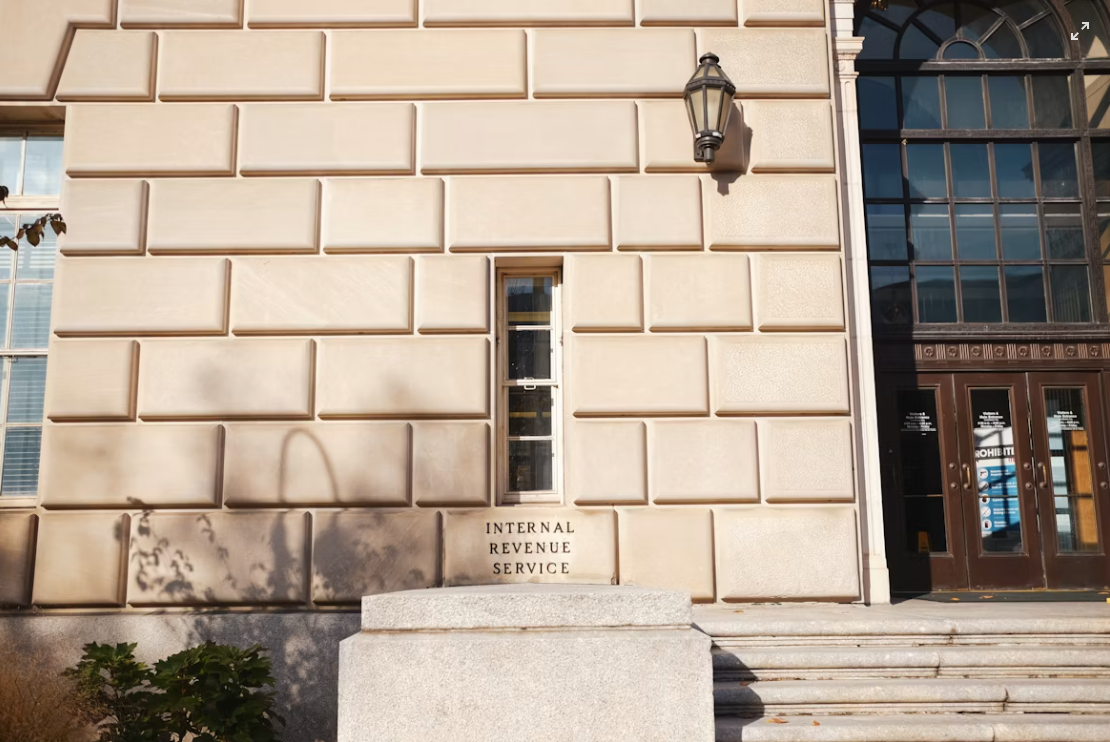
Form 3520 Korean real estate cases follow the same pattern: clean money, honest intentions, and a penalty nobody saw coming. Ji-young did everything right. Her parents sold their apartment in Bundang and wired $180,000 to her US bank account. That money became the down payment on a home in New Jersey. She reported the wire transfer to her bank and paid US taxes on any gains from her own income. Her 1040 went in on time. Two years later, she received a notice from the IRS: a $45,000 penalty. Not because she hid money. Not because she cheated. Because she had never heard of Form 3520.
This scenario plays out far more often than it should in Korean American communities. The money moves legally, the intentions are clean, and the penalty still arrives anyway. The obligation to file an information return with the IRS is almost completely invisible until it isn’t.
This article is for general information only, not tax or legal advice. See the full disclaimer at the end before acting on it.
Quick Summary
- Receive more than $100,000 total from Korean family members in a year — including real estate proceeds wired by parents? A Form 3520 Korean real estate filing is required, regardless of whether you owe any tax on the money.
- The penalty for missing this information return is 5% of the received amount per month, up to 25%. That means a $200,000 transfer can trigger a $50,000 penalty — for a form that costs nothing to file.
- If you missed prior years, proactive disclosure can help. A late filing with a reasonable cause statement, or the IRS Streamlined Procedures, can significantly reduce or eliminate penalties.
What Actually Triggers Form 3520
The IRS requires Form 3520 when you receive a large gift, bequest, or inheritance from a foreign source. Its full name is the Annual Return To Report Transactions With Foreign Trusts and Receipt of Certain Foreign Gifts. The threshold depends on who the money came from:
| Foreign Transferor | Reporting Threshold |
|---|---|
| Non-US individual or foreign estate | More than $100,000 in the year |
| Foreign partnership or foreign corporation | More than $19,570 in the year (2024 figure, adjusted annually for inflation) |
For Korean American families, almost every real-world case is money from a parent, grandparent, or a family estate. So the $100,000 individual/estate threshold is the one that applies throughout this article. If the money instead comes through a Korean family company or partnership, a much lower threshold can apply instead. Flag that distinction for your tax preparer specifically.
The $100,000 threshold applies to your total receipts from all foreign individuals combined within that year. So if your mother sends $60,000 and your father sends $60,000, you are over the threshold.
The types of transfers that trigger this requirement include:
- A lump-sum wire from Korean parents (even if it is their own after-tax money)
- Proceeds from a Korean property sale that are wired to you by a parent or relative
- An inheritance from a Korean grandparent or family member
- Education money sent from grandparents over the course of a year that exceeds $100,000 total
The critical point: it does not matter whether the money is taxable to you in the US. A gift from a foreign individual is generally not US taxable income for the recipient. But the reporting obligation exists separately from the tax obligation. The IRS wants to know the transaction happened.
Practical takeaway: Received more than $100,000 total from Korean family members in a tax year, for any reason? Assume Form 3520 applies. Verify with a tax professional before filing season ends.
Form 3520 Is Not a Tax Form — But the Penalties Are Very Real
Here is where most people get tripped up. Form 3520 is classified as an information return, not a tax return. Filing it does not create additional income tax. You do not owe the IRS money just because you file it. The form simply notifies the IRS that a large foreign transfer occurred.
The penalty for not filing, however, is severe. It’s 5% of the gift or bequest amount for each month the form is late, with a maximum of 25%.
Run those numbers:
- $100,000 received → up to $25,000 penalty
- $180,000 received → up to $45,000 penalty
- $300,000 received → up to $75,000 penalty
These penalties are assessed automatically when the form is missing or late. The IRS does not need to prove any intent to evade. No fraud, no evasion, no hiding — just an unfiled form.
For Ji-young’s $180,000 wire, the maximum penalty was $45,000. That’s for a form she did not know existed, on money she received and reported entirely through normal banking channels.
Practical takeaway: You might owe zero additional tax on the foreign money. Skipping Form 3520 can still cost you tens of thousands of dollars in penalties.
Form 3520 Korean Real Estate Scenarios That Catch People Off Guard
Most Korean Americans who miss this filing are not trying to avoid anything. They fall into predictable patterns that no one warned them about.
Scenario 1: Parents sell their apartment to help with a down payment. Mom and Dad sell a 30-year-old apartment in Seoul, Bundang, or Incheon. They wire the proceeds to their child in the US to help buy a home. The child receives $200,000 or more. This is the single most common trigger in Korean communities — and the most commonly missed.
Scenario 2: Inheriting Korean property. A grandparent passes away and leaves behind an apartment or land. The family sells the property and distributes the proceeds to US-based relatives. The recipient may have no direct involvement in the Korean estate process. They receive a wire and may not realize it counts as a foreign bequest requiring Form 3520.
Scenario 3: Grandparents funding education. Grandparents who want to help with college or graduate school costs send money across multiple transfers throughout the year. If the total exceeds $100,000, each recipient who crosses that threshold has a filing obligation.
Scenario 4: The “just helping out” transfer. Parents or relatives send large sums to cover living expenses, a medical emergency, or a business investment. No legal formality around the transfer. The recipient assumes that because it is personal family money, nothing needs to be reported.
None of these involve tax evasion. All of them can trigger Form 3520 penalties if the form is not filed.
Practical takeaway: Is your Korean family involved in real estate transactions or estate settlements, with proceeds headed your way? Start tracking the dollar amounts immediately and flag it for your tax preparer.
How and When to File Form 3520
Form 3520 is filed separately from your 1040, but the deadline is the same: April 15 for most filers. The same automatic extension to October 15 applies if you file for an extension.
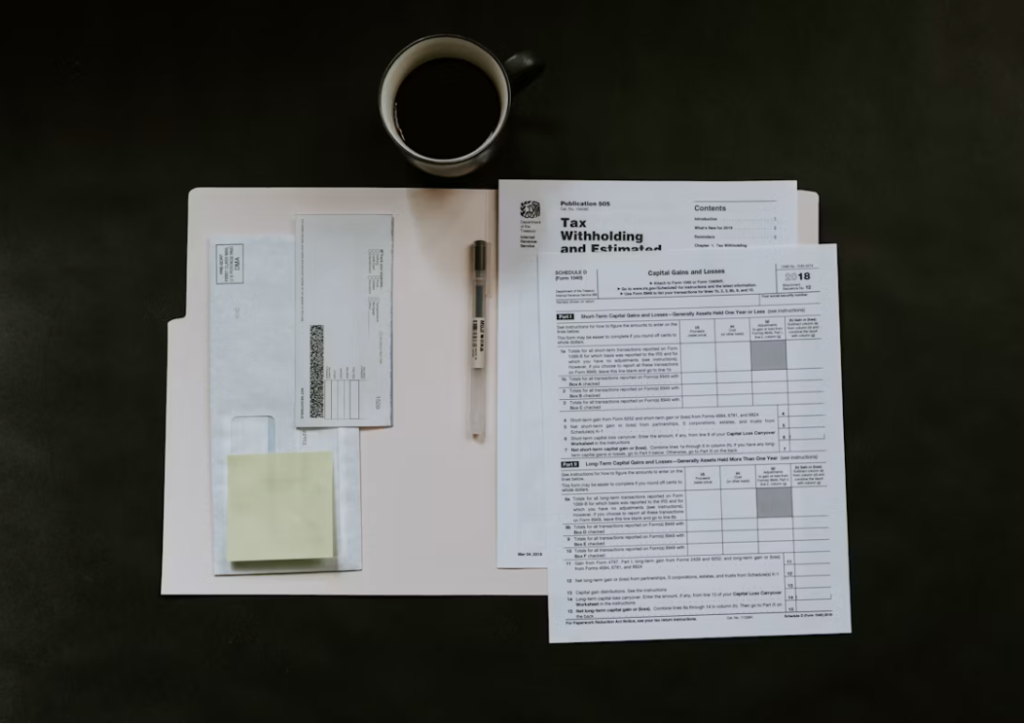
The form is mailed to a specific IRS address in Ogden, Utah. It is not e-filed with your regular tax return. This is another reason it gets missed. Even tax preparers who handle your 1040 may not ask about foreign gifts unless you bring it up.
On the form, you will disclose:
- The amount received
- The name and address of the foreign transferor (your Korean parent or relative)
- A description of the property or funds transferred
- The date of receipt
You do not need to attach documentation proving where the money came from. Keeping records — wire transfer confirmations, Korean property sale documents, a letter from parents — is strongly recommended for follow-up questions.
Important distinction: Form 3520 is different from FBAR (FinCEN 114) and FATCA (Form 8938). Both of those deal with foreign financial accounts you hold. Form 3520 is specifically about receiving large transfers from foreign individuals or estates. You may need to file all three depending on your situation — they address different things.
Practical takeaway: Tell your tax preparer explicitly about any large foreign wire transfers you received in the year. Do this even if the money is already sitting in your US bank account and feels completely domestic.
If You Missed Prior Years — You Have Options
Maybe you received more than $100,000 from Korean family in a previous year and did not file Form 3520. You are not automatically stuck with the full penalty.
The IRS has recognized that this is a commonly misunderstood filing requirement. Several options exist for people who missed it in good faith:
Late filing with a reasonable cause statement. You can file the overdue Form 3520 and attach a written explanation of why you did not file on time. The IRS may accept that the failure was due to reasonable cause, not willful neglect. If so, the penalty can be waived or reduced. “I did not know the form existed” is the most common explanation. It has worked for many filers, though it is not guaranteed.
Streamlined filing procedures. Maybe you’re a US resident who non-willfully failed to file certain international forms. If so, the IRS Streamlined Domestic Offshore Procedures may be available to you. This program lets you catch up on missed filings. Instead of the full Form 3520 penalties, you pay a reduced 5% miscellaneous offshore penalty. It requires certifying that the failure was non-willful.
Voluntary disclosure before IRS contact. Acting before the IRS sends a notice generally results in better outcomes than responding to one. If you think you may have a missed filing, consult an international tax attorney or CPA. Do this before the IRS reaches out.
Practical takeaway: If prior years are at risk, do not wait. The cost of proactive disclosure is almost always lower than the cost of responding to IRS notices and penalty assessments.
FAQ
Q: My parents sent me money from selling their Korean apartment. Do I owe US tax on it? Generally, no — gifts and inheritances from foreign individuals are not includable in your US gross income. You do not pay income tax on the gift itself. But you are still required to file Form 3520 if the total received in a year exceeds $100,000.
Q: What if the wire came in multiple smaller transfers spread across the year? The $100,000 threshold applies to the aggregate amount received from all foreign individuals in a calendar year. If your mother sent $40,000 in March and $70,000 in October, the total is $110,000. Form 3520 is required for that year.
Q: Does the $100,000 threshold apply to money from a Korean family business, not just parents personally? No. Gifts or distributions from a foreign partnership or foreign corporation are reportable at a much lower threshold. That threshold is $19,570 for 2024, adjusted for inflation each year. If relatives route proceeds through a family-owned company rather than as individuals, check the threshold with a tax professional. Don’t assume you’re under the limit.
Q: My parents are Korean citizens who also have US permanent resident status. Does Form 3520 still apply? Form 3520 applies to transfers from “foreign persons,” which the IRS generally defines as non-US persons. If your parents are US citizens or green card holders, the foreign gift rules typically do not apply to them. Instead, Form 709 gift tax rules may apply to large gifts from US persons. This distinction matters — verify your parents’ tax status with a professional.
Q: I already received a penalty notice. Is it too late to fight it? Not necessarily. You have the right to respond to IRS penalty notices and request abatement based on reasonable cause. An international tax attorney or CPA experienced in penalty abatement can help you draft a response. Success rates vary, but first-time penalty abatement and reasonable cause arguments have resolved many Form 3520 penalties.
This post is for informational purposes only and does not constitute financial, tax, or legal advice. Laws and regulations change frequently. Please consult a qualified professional for your specific situation.