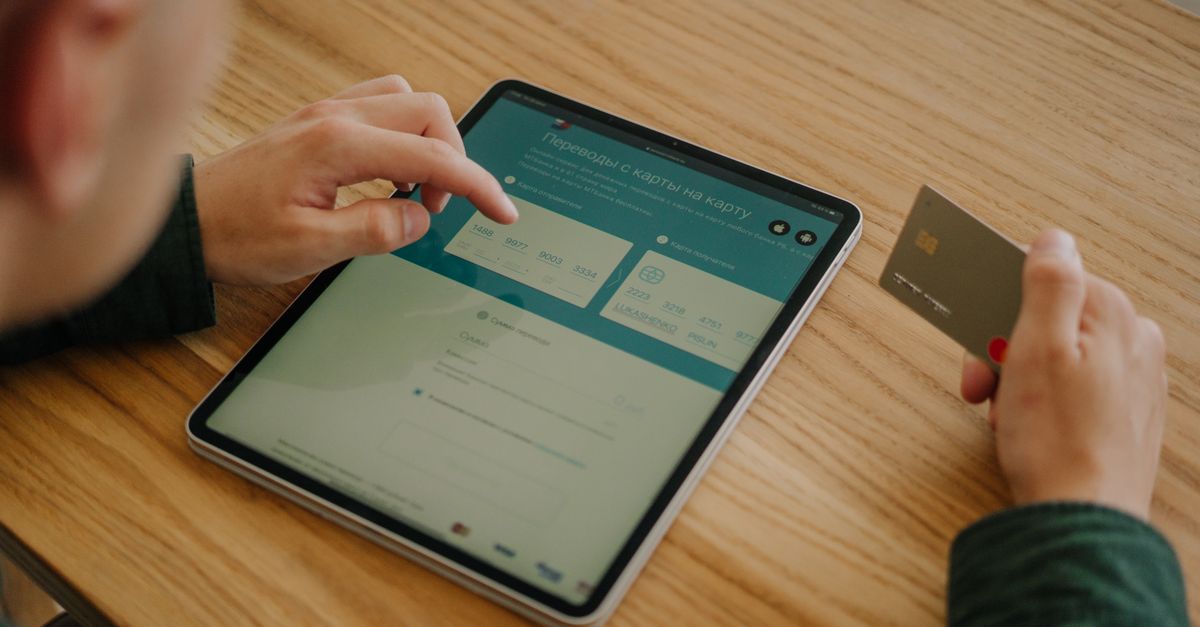
Nova Credit lets you import your Korean credit history into a report that some US lenders and landlords can read. For a Korean immigrant staring at a blank US credit file, that sounds like a shortcut. Reality is narrower than that. The service only works where a specific partner has agreed to accept its reports. This post covers what it actually does, where it helps, and where you still need a backup plan.
Many newcomers assume this tool is a universal fix for the “no US credit” problem. It isn’t. Some apartment applications accept this kind of report. Some credit card issuers do too. Most banks, and most individual landlords, do not use it at all. Knowing that difference now can save you a confusing rejection later, and it can save weeks of wasted paperwork chasing an application that was never going to work.
What Is Nova Credit?
Nova Credit is a fintech company, not a government agency or a credit bureau. It builds a report from a person’s foreign credit history and hands that report to partner institutions. Those partners include a limited set of US card issuers and property management companies. The report can draw on Korean credit data sources when the applicant has a Korean credit history. Setting this up usually means creating an account, verifying identity, and granting one-time permission to pull the foreign record. The service does not touch your Equifax, Experian, or TransUnion file. It creates a separate document, shown only to businesses that have signed up to read it. Think of it as a translation layer, not a new bureau. You can check current markets and coverage on Nova Credit’s own site before assuming your situation qualifies.

How Nova Credit Reports Actually Get Used
A Nova Credit report is not a credit score. Think of it as a translated summary of payment history from abroad. Partner underwriters view it alongside an application, similar to how they might review a bank statement. Some card issuers use it to approve a first US credit card without any US history on file. Some large apartment management companies use it during rental screening instead of a blank credit check. A landlord who has never seen this format before may still ask for extra documentation regardless. The applicant usually does not pay anything extra for the pull itself, since the partner institution typically covers that cost. None of this changes your file at any of the three major US bureaus. The report exists purely as a side document, read only where a partner built the integration to accept it. Turnaround is usually fast once permission is granted, often within minutes rather than days, since the data pull itself is automated on the back end.
Where Nova Credit Falls Short
Acceptance is far from universal here. Coverage depends entirely on which specific businesses signed a partnership. Most small, independent landlords have never heard of Nova Credit. Most large national banks do not use it for auto loans or mortgage underwriting. A Korean applicant renting from an independent landlord may find the report useless in that specific case. The core problem — no US credit file — often persists outside the partner network. This gap surprises a lot of newcomers who assumed one approval meant broad acceptance everywhere else. Ask early, before you pay any application fee, rather than after. Always confirm acceptance directly before counting on it to carry an application.
Apartment Hunting With No US Credit File
Apartment hunting is where this tool shows up most often in practice. Certain large property management companies accept alternative credit data as part of screening. When a management company works with Nova Credit, a Korean applicant’s rental and utility payment history back home can support the application. Independent landlords rarely offer this option at all. Instead, they typically ask for a US-based guarantor, a bigger security deposit, or several months of prepaid rent. A cosigner with an established US credit file can sometimes substitute for either requirement. Ask the leasing office directly whether they accept this kind of report before you pay an application fee. Do not assume every building in a larger management portfolio uses the same screening process, since policies can vary by property even within one company.
Nova Credit Report vs. Real US Credit Score
A Nova Credit report and an actual US credit score are not the same thing. One is a snapshot, shown to a small handful of partners. The other is a living score, built from years of US account activity. Lenders outside the partner network cannot see or use this kind of report at all. Only on-time payments on US credit cards, loans, or rent-reporting services build an actual FICO or VantageScore over time. No foreign report, however detailed, substitutes for that track record. Treat it as a bridge, not a destination. It can open a door or two while your real US credit history grows behind it. That growth takes months, sometimes longer, no matter which report a partner is willing to look at. A strong foreign report can smooth one application, but it will not follow you to the next lender who has no partnership at all.
Building US Credit While You Wait
Do not lean on Nova Credit alone as your whole strategy. Open a secured credit card or a credit-builder loan as soon as you arrive. Ask about rent-reporting services if your landlord does not already report payments. Keep balances low, and pay every statement in full each month. These steps build an actual US credit file the conventional way, month by month. If you haven’t set up accounts yet, check the rest of your first-week banking checklist for what to open before anything else. Running both tracks together — a partner report where it’s accepted, plus real US credit accounts — gives you the widest possible coverage. Neither approach alone solves the whole problem quickly, but together they cover more ground. Six to twelve months of on-time payments on a real US account tends to matter more, long term, than any single partner report ever will.
FAQ
Does Nova Credit Affect My Credit Score?
No. It does not touch your US credit score in any way. It does not report to Equifax, Experian, or TransUnion. Using it carries no risk to your existing file. It simply hands select partners one more data point to review alongside everything else on your application.
Is This Only for Korean Immigrants?
This works for newcomers from several countries, not only Korea. Korean applicants are covered through specific Korean data-source partnerships. Coverage still depends on which partner you happen to be applying to. Check eligibility for your particular situation before assuming it applies to your case.
What if My Landlord Doesn’t Use Nova Credit?
Then the report will not help with that specific application. You will need another way to show reliability instead. A bigger deposit, a co-signer, or proof of steady income often works in its place. Ask the leasing office what alternatives they accept before you apply, and ask early.
How Is Nova Credit Different From Experian Boost?
Experian Boost adds US utility and streaming payments directly onto your Experian file. Nova Credit instead imports foreign credit history for select partners to view separately. Boost changes an actual US bureau score over time. This does not touch those three bureau files at all.
Does It Cost Anything to Use?
Usually not for the applicant. The partner institution requesting the report typically covers the cost of pulling it. Some standalone products aimed at individuals may charge a small fee for access. Confirm the cost, if any, directly with the specific product or partner before signing up.
Quick Summary
- Nova Credit imports foreign credit history into a report format, but only partner lenders and landlords who accept these reports can actually see or use it.
- It does not create or update an official US credit score at Equifax, Experian, or TransUnion — it is a separate document shown only where a partnership exists.
- Verify a specific landlord, card issuer, or lender’s partner status before applying, and build real US credit in parallel rather than relying on it alone.
This post is for informational purposes only and does not constitute financial advice. Partner institutions and product availability change over time — verify current partnerships directly with Nova Credit or the specific lender/landlord. Please consult a qualified professional for your specific situation.