
Most F-1 students land at a US airport with no working bank card and a wallet full of leftover cash. Rent needs paying that same week. A phone plan needs a US bank card on file. The first grocery run happens on whatever cash survived the flight. A handful of options actually let you open a US bank account before arriving, and knowing which ones exist saves a genuinely stressful first week on campus.
Most large US banks still require a branch visit and a US address before an account works. A smaller set of fintech platforms was built specifically to close that gap.
Why Most Big Banks Won’t Let You Open a US Bank Account Before Arriving
Chase, Bank of America, and Wells Fargo all accept international customers. But nearly all of them require an in-person visit, a US address, and often an SSN or ITIN. Some branches near large universities relax this slightly for students carrying an I-20 and an acceptance letter. Even then, the account rarely goes fully live until that first visit happens after landing.
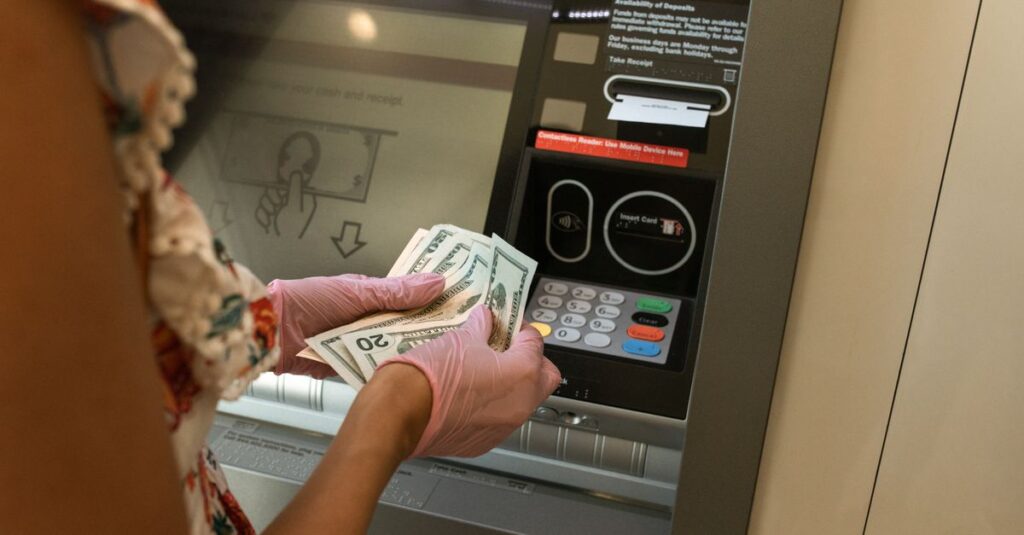
This isn’t an oversight. Federal “Know Your Customer” rules require identity verification that’s hard to do remotely for someone with no US address and no prior US financial history. Big banks generally skip building a separate remote path just for incoming students. The compliance cost isn’t worth it to them for a small slice of customers.
Fintech Options That Let You Open a US Bank Account Before Arriving
A small group of fintech companies exists specifically for this gap. Zolve, for example, markets accounts built for people moving to the US on a visa. It lets you start the process using a passport and visa documents, before any US address or SSN exists. Features and fees change over time, so check the current terms directly on the provider’s site before relying on one.
These accounts usually ship a debit card to your US address once you’ve moved in. Some ship it to your home address before departure instead. Full functionality, like bill pay, often waits until you confirm a US address after landing. Before then, you can typically just receive deposits and check a balance.
What “Remote Pre-Enrollment” Actually Means
Even with a fintech option, opening a US bank account before arriving rarely means a fully working account on day one. It usually means starting the paperwork early: uploading a passport photo, a visa page, and your I-20, so most of it clears before you land.
What usually works remotely:
- Submitting identity documents and an application
- Getting conditional approval
- Having a physical debit card shipped ahead of arrival, in some cases
What usually still needs you in the US:
- Full activation tied to a confirmed US address
- Some university bank partnerships that require an in-person visit during orientation
Check Your University’s Bank Partnership First
Many universities with large international student populations already partner with a specific bank. Some have an on-campus branch. Others set up a table during orientation week just for new international students.
These partnerships sometimes move just as fast as a fintech option. Bring your I-20 and passport, and the account can open the same day, even without an SSN yet. Ask the international student office before assuming you need a fintech account at all. A partnered bank might offer similar speed, a nearby branch for cash deposits, and lower fees than a fintech-only option.
A Timeline for Getting This Done
4–8 weeks before departure: Research fintech options and gather digital copies of your passport, visa, and I-20.
1–2 weeks before departure: Submit an application if remote pre-enrollment is available, so approval clears before your flight.
First week on campus: Confirm your US address and activate full account features. Ask about any university bank partnership offering same-day, in-person opening. Our first week banking checklist covers everything else worth setting up during this same stretch.
First month: Decide whether a second account makes sense. Some students keep a fintech account for the early start, then add a traditional bank once settled, since credit-building features can differ between the two.
FAQ
Do I need a Social Security Number to open a US bank account before arriving?
No, not for most fintech options built for international students. A passport, visa, and I-20 are usually enough to start. Full functionality can still depend on confirming a US address after arrival.
Can I use a fintech account like this as my only bank account?
It depends on your needs. Some fintech accounts lack physical branches for cash deposits. Fee structures can also differ from a traditional bank. Many students keep one for the head start, then open a second account once settled on campus.
Will this help me build US credit faster?
Not automatically. It depends on the specific account type and whether it reports to the credit bureaus. Confirm this detail directly with the provider rather than assuming it works like a credit card.
What happens if my visa gets delayed after I’ve already opened an account?
Most accounts stay open and unused until you arrive. There’s usually no penalty for a delayed start. Still, check the provider’s policy on dormant accounts if the delay runs several months.
Quick Summary
- Most large US banks require a branch visit and often an SSN, so they won’t let you open a US bank account before arriving as an F-1 student.
- Fintech platforms built for incoming students let you submit documents and get conditional approval before the flight, though full activation usually waits for a confirmed US address.
- Check your university’s international student office first — a bank partnership can sometimes match a fintech option’s speed once you’re on campus.
Treat this as a starting point, not a final answer. Bank and fintech product features change frequently — verify current terms directly with any provider before opening an account. Confirm anything else that matters with a qualified professional before acting on it.