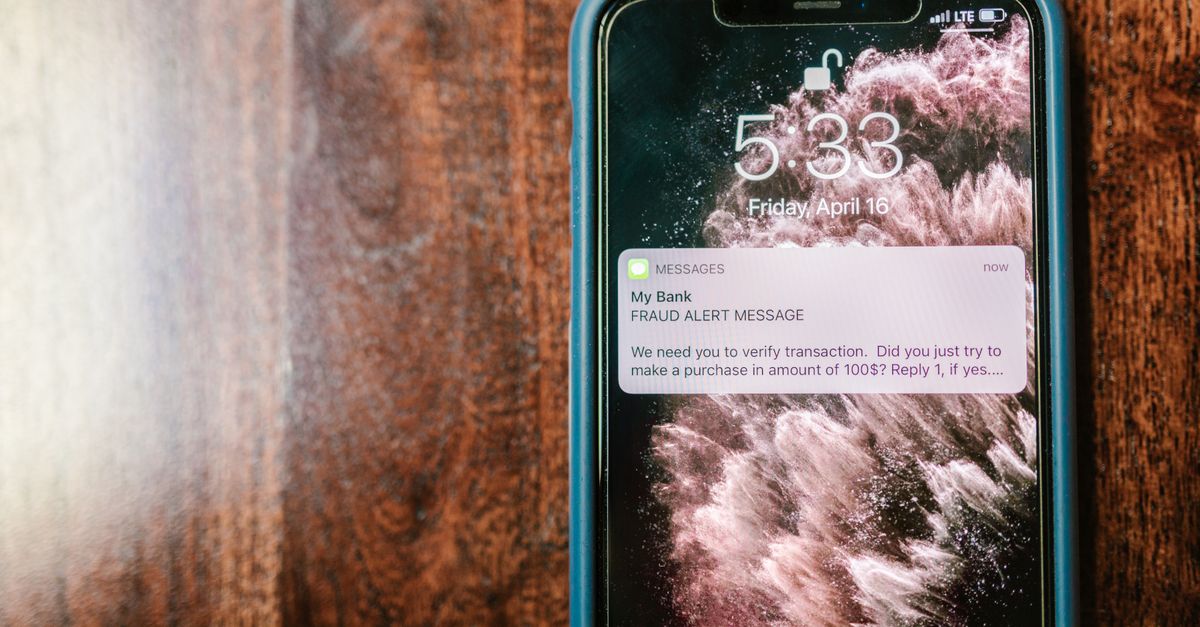
A buyer in Korea gets an email from their title company with new wiring instructions. It looks completely normal — just another step in a wire fraud scheme already in progress. Two days later, the closing funds are gone, sent to a scammer’s account instead of the real escrow account, with no way to get them back.
This is wire fraud, and it specifically targets buyers who are closing on US property from overseas. Distance, time zones, and unfamiliar paperwork all work in the scammer’s favor.
How Wire Fraud Targets Korean Buyers Purchasing US Property
Real estate wire fraud usually starts with a hacked email account. It’s not your email — it’s often the real estate agent’s, the title company’s, or the escrow officer’s inbox that gets compromised weeks before closing.
The scammer reads the actual email thread, learns the closing timeline, and waits for the right moment. Then they send you an email that looks exactly like it came from your title company, with new “updated” wiring instructions. Buyers overseas are especially vulnerable, since a phone call to confirm feels like extra friction across time zones, and email already feels like the normal way you’ve been communicating the entire deal.
Takeaway: The scam doesn’t hack your email. It hacks someone else’s in the transaction and waits for the exact right moment to strike.
The Wire Fraud Scam, Step by Step
Here’s how it typically plays out:
- A scammer gains access to an email account somewhere in the transaction chain — agent, title company, or lender
- They monitor the thread quietly, sometimes for weeks, learning names, dates, and dollar amounts
- Days before closing, they send an email from a spoofed or nearly identical address with new wire instructions
- The email often creates urgency: a change in bank, a compliance issue, a deadline
- The buyer wires funds to the fraudulent account, and the money typically leaves the country within hours
By the time anyone notices, the funds have usually moved through several accounts and are effectively unrecoverable.
Takeaway: The scam relies entirely on speed and urgency. Slowing down at exactly the wrong moment is the one thing that stops it.
Red Flags That Signal Wire Fraud Before You Send Money
Watch for these warning signs in any wiring instructions you receive:
- Instructions arrive by email only, with no phone call to confirm
- Urgent language pushes you to act fast — “wire today or lose the property”
- The bank name or account number differs from anything mentioned earlier in the process
- A sender’s email address looks slightly off from previous emails, even by one character
- You’re asked to keep the change confidential or avoid mentioning it to your agent
Any one of these alone should slow you down. Two or more together should stop you completely until you verify by phone.
Takeaway: Urgency plus a channel change — email only, no callback — is the single clearest wire fraud signature.
The Verification Checklist Before Every Wire Transfer
Before sending a single dollar toward closing, run through this:
- Call your title company or escrow officer directly, using a phone number you already had before this transaction — never a number from the suspicious email
- Confirm the exact account name, account number, and routing number verbally
- Send a small test wire of $1 first for a large transaction, if your bank and the receiving bank both support it, and confirm it arrived
- Never change wiring instructions based on a late email alone, no matter how official it looks
- Keep a written record of who confirmed what, and when
This adds maybe twenty minutes to your closing process. That’s a small price against losing an entire down payment.
Takeaway: One phone call to a number you already trust is the single habit that stops nearly every version of this scam.
What to Do If You Already Sent a Fraudulent Wire
Speed matters enormously here. Contact your bank immediately and request a wire recall — this only works within a narrow window, often just hours. File a complaint with the FBI’s Internet Crime Complaint Center right away, since law enforcement involvement can sometimes help freeze funds before they disperse further. Also notify your title company and real estate agent, since they may be dealing with the same compromised account affecting other clients.
Takeaway: Every hour that passes after a fraudulent wire reduces the odds of recovering any of it. Act immediately, not after confirming with everyone first.
Extra Precautions When Wiring Money From Korea
Cross-border wires add extra friction that can work in your favor if you use it right. Confirm with your Korean bank exactly how long an international wire takes to arrive and how to trace it once sent. Ask your US title company for their standard, pre-verified wiring instructions well before closing — not the week of — so you have something to compare any late “updates” against. If you’re also sending money for other purposes around the same time, our guide to sending money to Korea covers how the transfer mechanics differ from a one-time closing wire.
Takeaway: Get your title company’s real wiring instructions early, in writing, well before any scammer has a chance to send you fake ones.
FAQ
Is wire fraud recoverable once the money is sent?
Sometimes, but only if you act within hours. Banks can occasionally recall a wire before the receiving bank releases the funds, but once the money moves to a second or third account, recovery becomes very unlikely.
Does title insurance cover wire fraud losses?
Standard title insurance generally does not cover wire fraud, since it protects against defects in the property title, not the funds transfer itself. Some title companies now offer separate wire fraud insurance products — ask before closing.
How do scammers know so much about my specific closing?
They typically gain access to a real email account somewhere in the chain and read the actual thread. That’s why the fake instructions can reference correct names, dates, and amounts.
Should I avoid email entirely for wiring instructions?
You don’t have to avoid email, but you should never act on wiring instructions from email alone. Confirm any instructions by phone, using a number you already had before the transaction started.
Quick Summary
- Wire fraud in real estate usually starts with a hacked email account somewhere else in the transaction, not yours
- Any late change to wiring instructions should be confirmed by phone, using a number you already trust
- Speed is everything if you send a fraudulent wire — contact your bank and file an IC3 report immediately
- Get your title company’s real instructions early and in writing, before any scammer has a chance to fake them
This is general information, not a substitute for advice from a CPA or immigration attorney. Every situation is a little different, and the rules described here can change without much notice.